
Technology
Bitcoin is breaking a midterm election pattern going back to 2014
By Marcus Chen
Advertisement · Why this ad?
Katherine oversees editorial operations across all six brands. Before joining The Meridan Group, she spent 14 years at the Minneapolis Star Tribune, where she led the metro desk through its digital transformation. She holds a Master's in Journalism from Northwestern's Medill School.
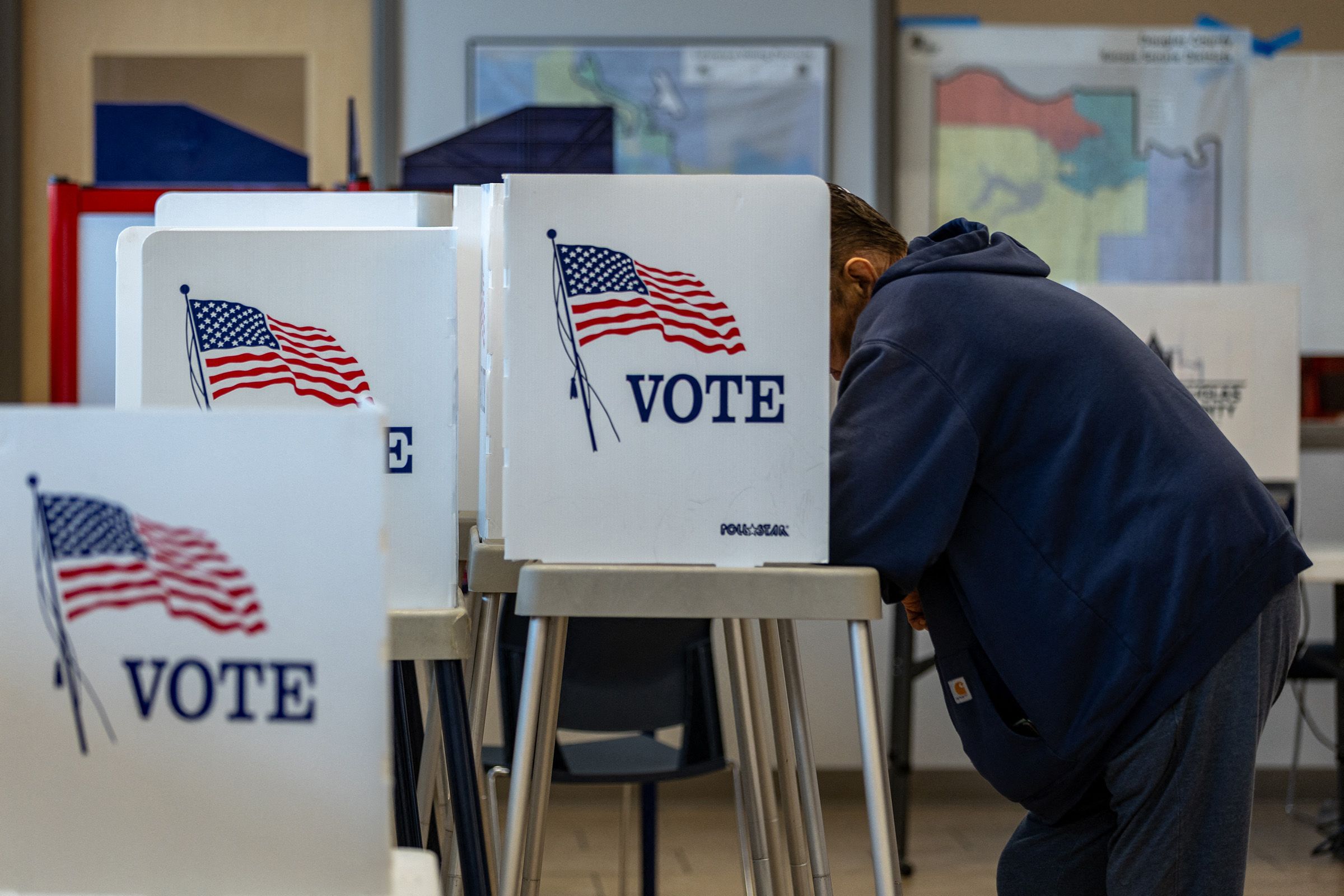
More from Katherine →As the sun rose over Wall Street on the morning of Election Day, the atmosphere was charged with anticipation. Investors, analysts, and everyday citizens alike watched closely, hoping for signs that the midterm elections would usher in a new era of stability. Yet, amidst the patriotic fervor, a palpable sense of uncertainty lingered. The reality is that while elections often stir optimism, they do little to resolve the underlying tensions that shape our economy.
As Americans cast their votes, they were not just deciding on local leaders or national policies; they were also influencing the fate of the stock market. Historically, the market has shown a preference for gridlock in Washington, where divided government can lead to reduced spending and less regulatory interference. However, this year, investors are faced with two significant challenges that are not likely to be resolved by the midterm elections: a looming government-spending showdown and growing opposition to artificial intelligence (AI) data centers.
The first challenge is the impending battle over government spending. With the national debt reaching alarming levels, Congress is tasked with negotiating a budget that balances fiscal responsibility with the needs of the American people. The stakes are high, as failure to reach an agreement could lead to a government shutdown, which historically has rattled markets and eroded investor confidence.
The budgetary crisis is not a new phenomenon. It has been a recurring theme in American politics, often leading to partisan stalemates that leave crucial programs unfunded. According to the Congress.gov, the current budget proposal is mired in disagreements over spending cuts and tax increases, with both parties unwilling to compromise. The consequences of such gridlock can be severe, affecting everything from social services to infrastructure projects.
Moreover, the economic landscape is increasingly complicated by inflationary pressures and rising interest rates. The Federal Reserve's tightening measures have created a precarious environment for investors, who are wary of how government spending decisions will impact the economy. As the deadline for budget negotiations approaches, the urgency for resolution becomes more pronounced.
In addition to the budget crisis, the rise of AI data centers has sparked significant debate across the nation. These facilities, essential for powering the growing demand for artificial intelligence technologies, have become a focal point of contention in many communities. While proponents argue that these centers create jobs and stimulate local economies, opponents raise concerns about their environmental impact and energy consumption.
In New York City, for instance, local activists have mobilized against the establishment of new data centers in residential areas, citing issues such as increased traffic, noise pollution, and strain on local resources. The NYC Department of Environmental Protection has been actively involved in assessing the environmental implications of these facilities, but the debate remains heated.
Residents are voicing their concerns through public forums and community meetings. Local organizations, such as the New York City Department of City Planning, are tasked with balancing the needs of technological advancement with the rights of citizens to a healthy living environment. The outcome of these discussions will not only shape the future of AI data centers but also influence the broader economic landscape.
In neighborhoods like Astoria and the Lower East Side, community members have organized rallies and petitions to express their opposition to proposed data centers. Activist groups such as NYC Environmental Justice Alliance have been at the forefront, advocating for transparency and sustainable practices in technology development. These grassroots movements reflect a growing awareness and concern among residents about how technological advancements can disrupt their lives.
The intersection of government spending and the rise of AI data centers underscores a critical moment for American communities. As families navigate the complexities of the economy, the decisions made in Washington will have direct ramifications for their lives. A government shutdown could mean delayed funding for essential services, while the expansion of AI data centers could redefine local economies.
For many families, the implications are personal. Take the Johnson family from Queens, who have seen their neighborhood shift dramatically with the introduction of new tech companies. While they appreciate the job opportunities, they are also concerned about the rising cost of living and the strain on local schools and infrastructure. Their story is emblematic of the broader challenges facing communities across the nation.
Moreover, the Johnsons are not alone in their concerns. Many families in the Bronx have reported feeling the pressure of gentrification, where the influx of tech firms has led to skyrocketing rents and a changing demographic landscape. This shift has sparked discussions about the need for affordable housing and community resources, illustrating how the ramifications of these economic decisions ripple through neighborhoods.
In light of these challenges, it is essential for families to stay informed and engaged. Numerous resources are available for residents looking to understand the implications of these developments. The Consumer Financial Protection Bureau offers guidance on managing personal finances during economic uncertainty, while local community boards provide platforms for residents to voice their concerns and participate in decision-making processes.
Additionally, organizations such as New York Public Library offer workshops and resources aimed at educating families about budgeting, financial planning, and navigating local governance. Engaging with these resources can empower families to advocate for their interests while fostering a sense of community.
Furthermore, local advocacy groups like New York City Department of City Planning provide updates on city planning initiatives and upcoming meetings where residents can express their views on new developments. Being proactive and participating in these discussions is crucial for families seeking to protect their neighborhoods.
The road ahead is fraught with challenges, but it also presents opportunities for growth and resilience. As the midterm elections unfold, the focus will inevitably shift from the polls to the pressing issues that will define the coming years. The government-spending showdown and the future of AI data centers will remain at the forefront of public discourse, requiring active participation from citizens.
It is crucial for families to remain vigilant and engaged as these discussions progress. By advocating for balanced budgets and responsible technological development, communities can work towards solutions that benefit all residents. The American dream of a stable, prosperous future hinges on our collective ability to navigate these challenges with integrity and commitment.
In conclusion, while the stock market may thrive on the uncertainty of gridlock, the real impact of these elections will be felt in the homes and lives of everyday Americans. For families in New York City and beyond, the outcomes of these political battles will shape the fabric of their communities for years to come.
By Marcus Chen
By Marcus Chen

By Marcus Chen

By Marcus Chen